Post Office Protocol in Computer Network
What is POP? The POP protocol is an abbreviation for Post Office Protocol. As we all know, SMTP is a message transport agent. When a message is transmitted, SMTP is used to transfer it...

What is POP? The POP protocol is an abbreviation for Post Office Protocol. As we all know, SMTP is a message transport agent. When a message is transmitted, SMTP is used to transfer it...
The Digital Signature is a mechanism used to authenticate the message’s validity and integrity. We know that security has four components: privacy, authentication, integrity, and non-repudiation. The first component of security has previously been...
What is PGP? PGP is an abbreviation for Pretty Good Privacy (PGP), which was created by Phil Zimmermann. It was meant to offer all four dimensions of security in email transmission, namely privacy, integrity,...
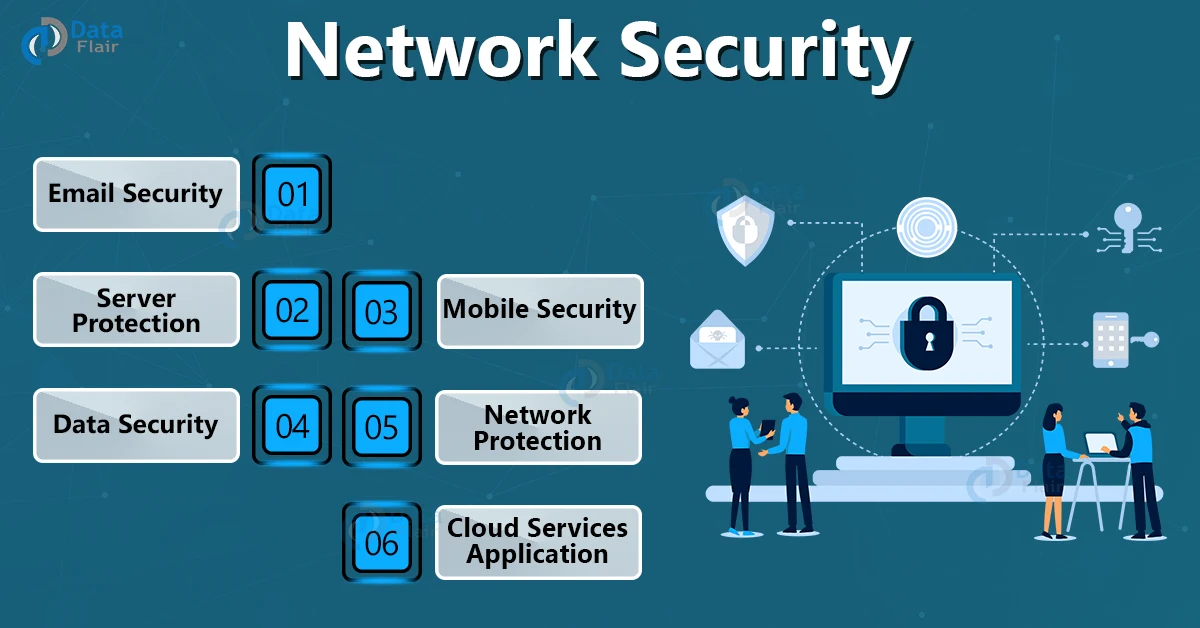
Computer network security refers to the steps that businesses or organisations use to detect and prevent unwanted access from outside intruders. Depending on the scale of the computer network, different approaches to computer network...
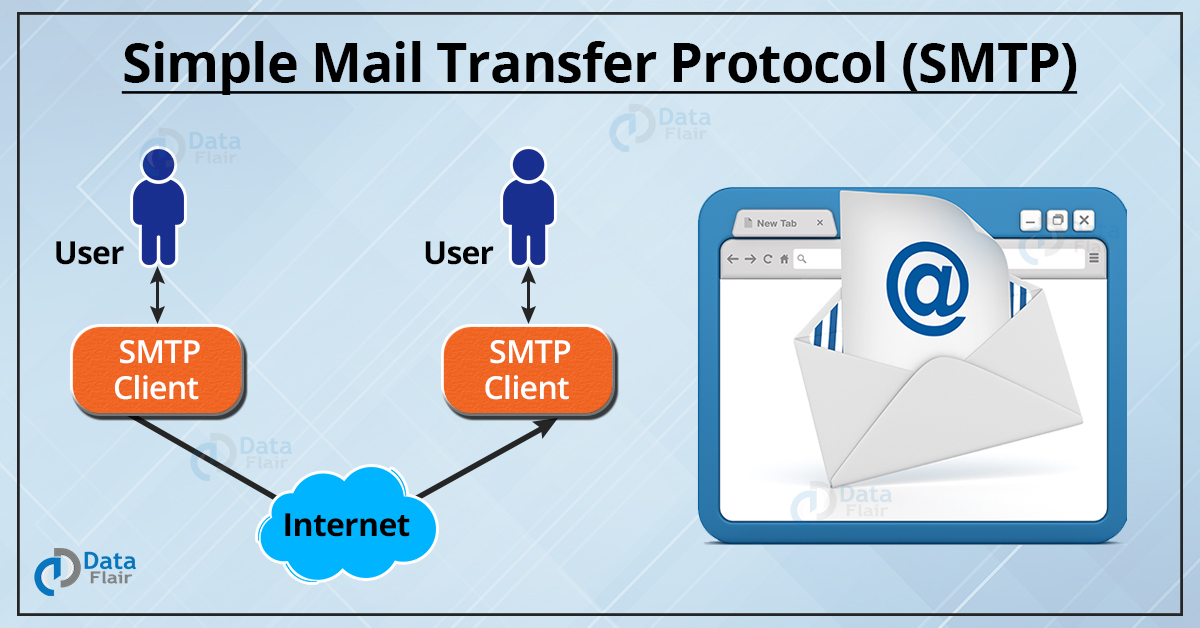
Simple Mail Transfer Protocol (SMTP) is a set of communication standards or rules that allows applications to send emails using the internet. It is an application that uses e-mail addresses to deliver messages to...
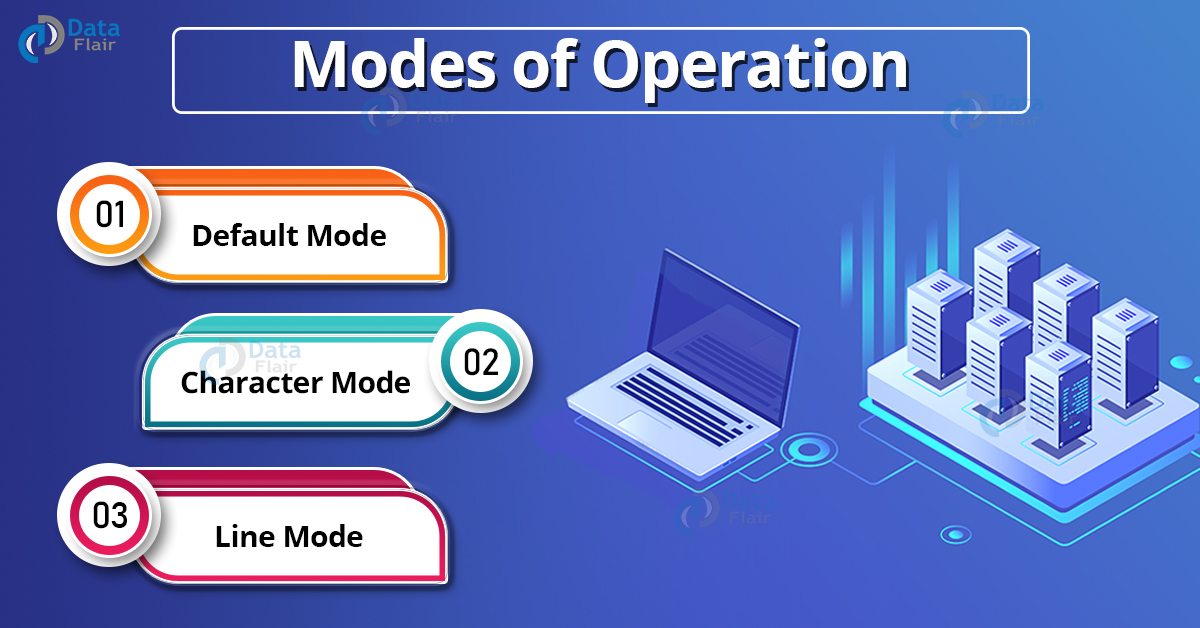
TELNET is an abbreviation for Terminal Network. It is essentially a TCP/IP protocol used for virtual terminal services, and it was primarily proposed by the International Organization for Standardization (ISO). It is a client/server...
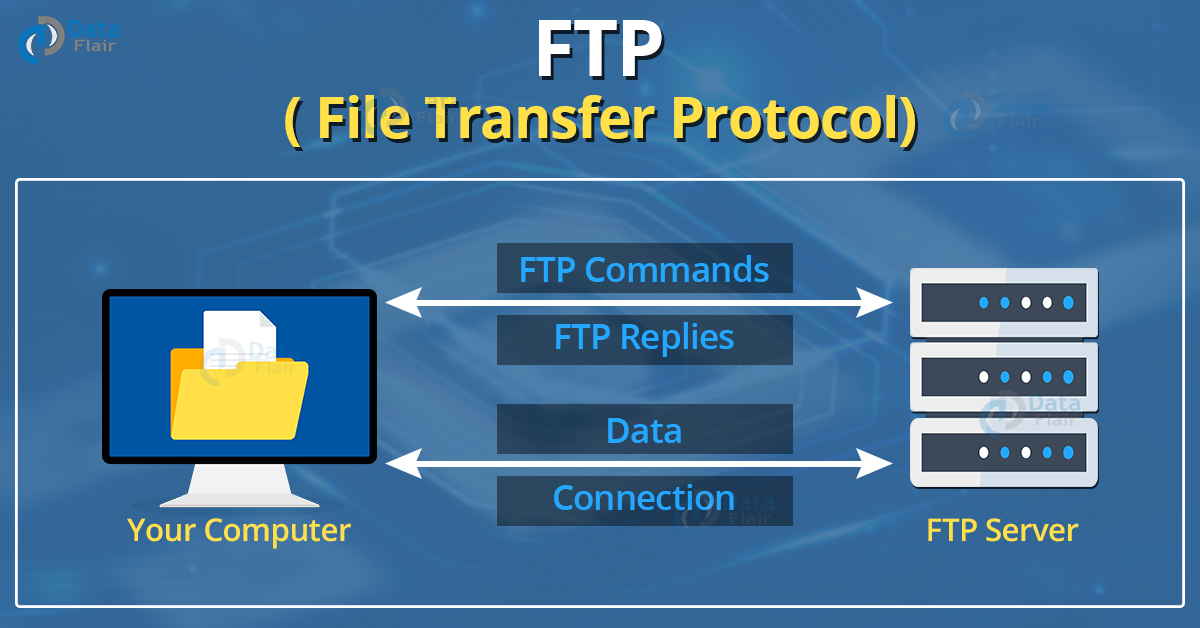
FTP is short form of File Transfer Protocol. It is a TCP/IP-based internet protocol that is used to transfer files from one host to another. FTP is mostly used to transmit web page files...
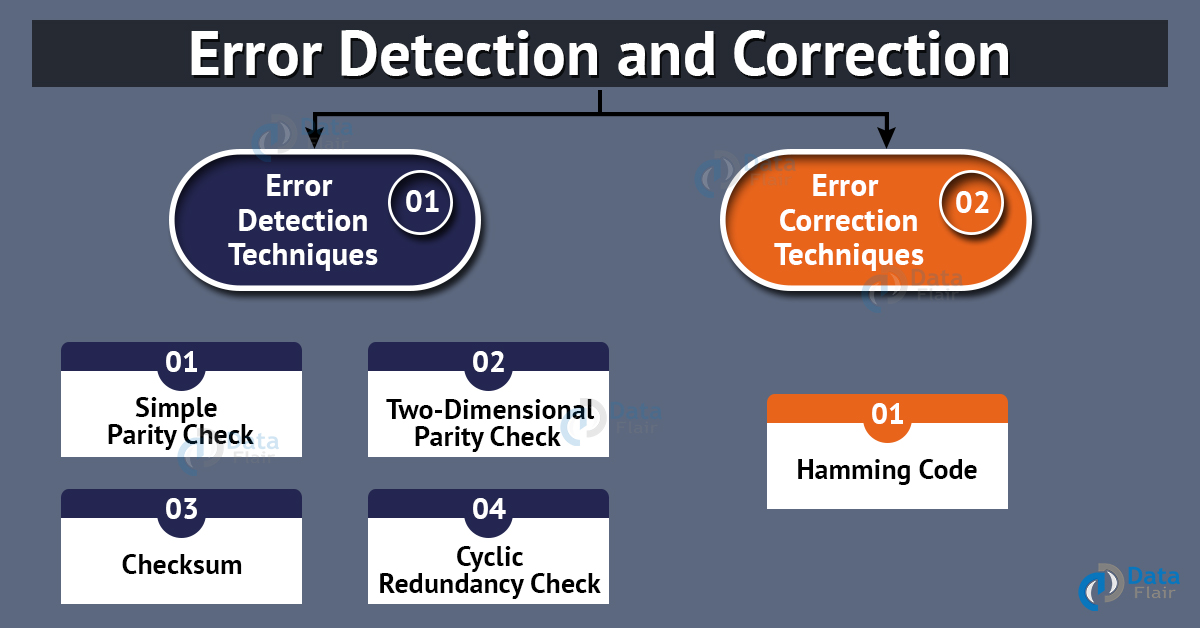
An error occurs when the output information does not match the input information. Digital signals suffer from noise during transmission, which can create errors in binary bits travelling from one system to another. That...
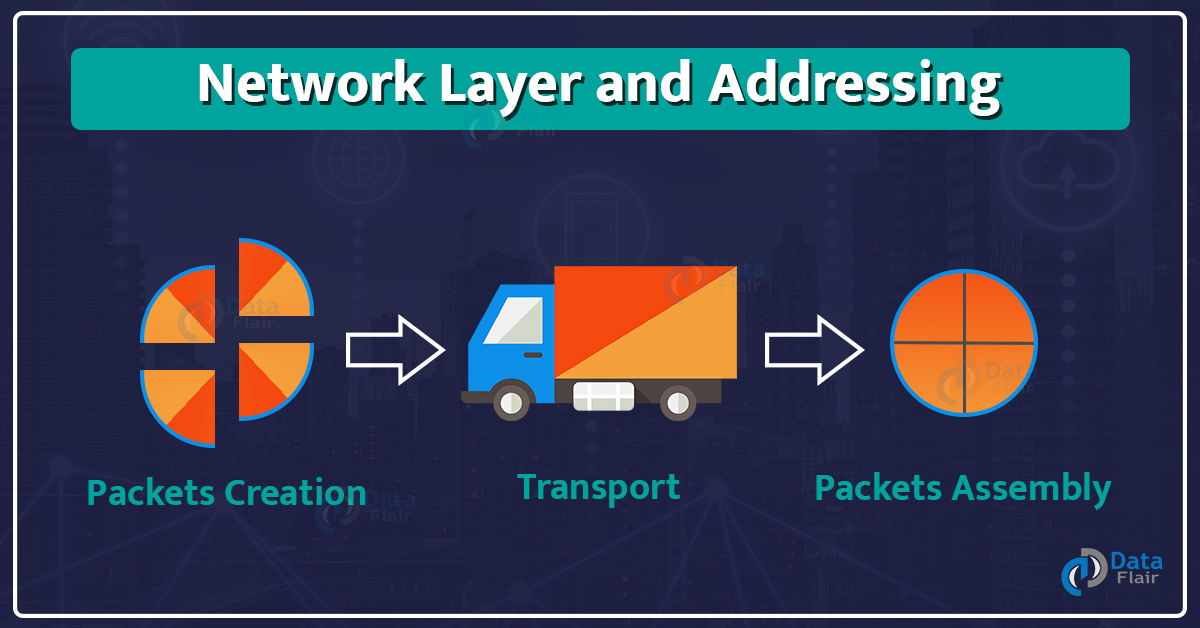
The Network Layer is the OSI model’s third layer. It responds to service requests from the transport layer and sends them to the data link layer. The network layer is responsible for converting logical...