
Reverse Engineering Tools in Kali Linux
Interactive Online Courses: Elevate Skills & Succeed Enroll Now!
Reverse engineering is a valuable exercise that enables people to research and recognize the internal workings of software programs, hardware, or structures. By dissecting and scrutinizing those additives, reverse engineering gear provides beneficial insights which could resource in protection checks, debugging, and even innovation.
In this weblog submission, we can delve into the sector of opposite engineering gear particularly tailored for Kali Linux, a widespread penetration checking-out operating device.
Overview:
Kali Linux, a Debian-primarily based Linux distribution, is extensively regarded as one of the most complete platforms for cybersecurity experts and lovers. With an extensive arsenal of pre-installed tools, Kali Linux simplifies the reverse engineering process, allowing users to dissect and examine software applications, firmware, and digital artefacts. Let’s explore several of the pinnacle reverse engineering tools in Kali Linux.
Reverse Engineering Tools in Kali Linux:
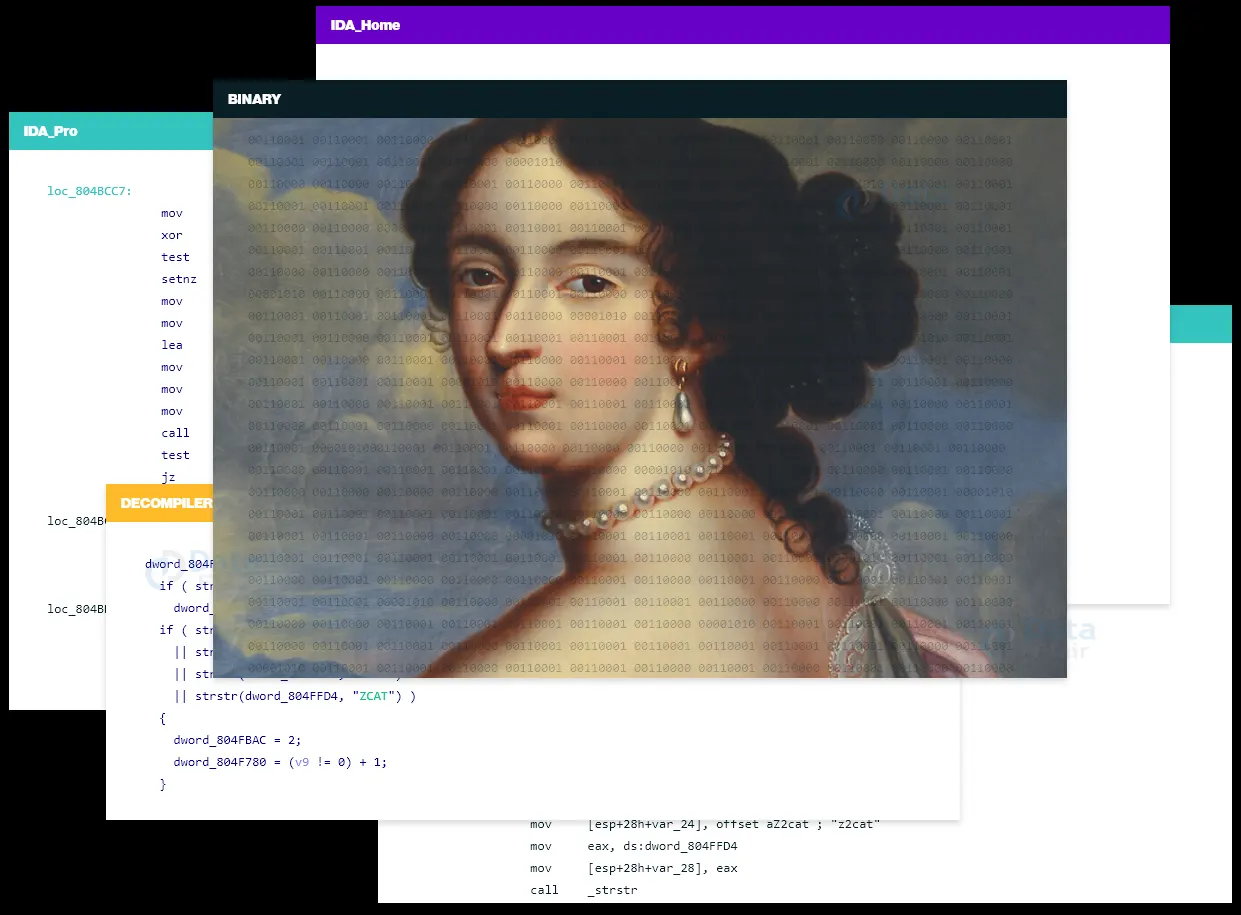
1. IDA Pro:
– Uses: IDA Pro is a powerful disassembler and debugger for analyzing binary files.
– Details: It supports multiple architectures and offers advanced features like graphing go-references and scripting competencies.
– Features: Graphical interface, multi-platform support, considerable plugin environment.
– Basic Commands and Codes:
# Install IDA Pro
   apt-get install idapro

   # Launch IDA Pro
   idapro
2. Radare2:
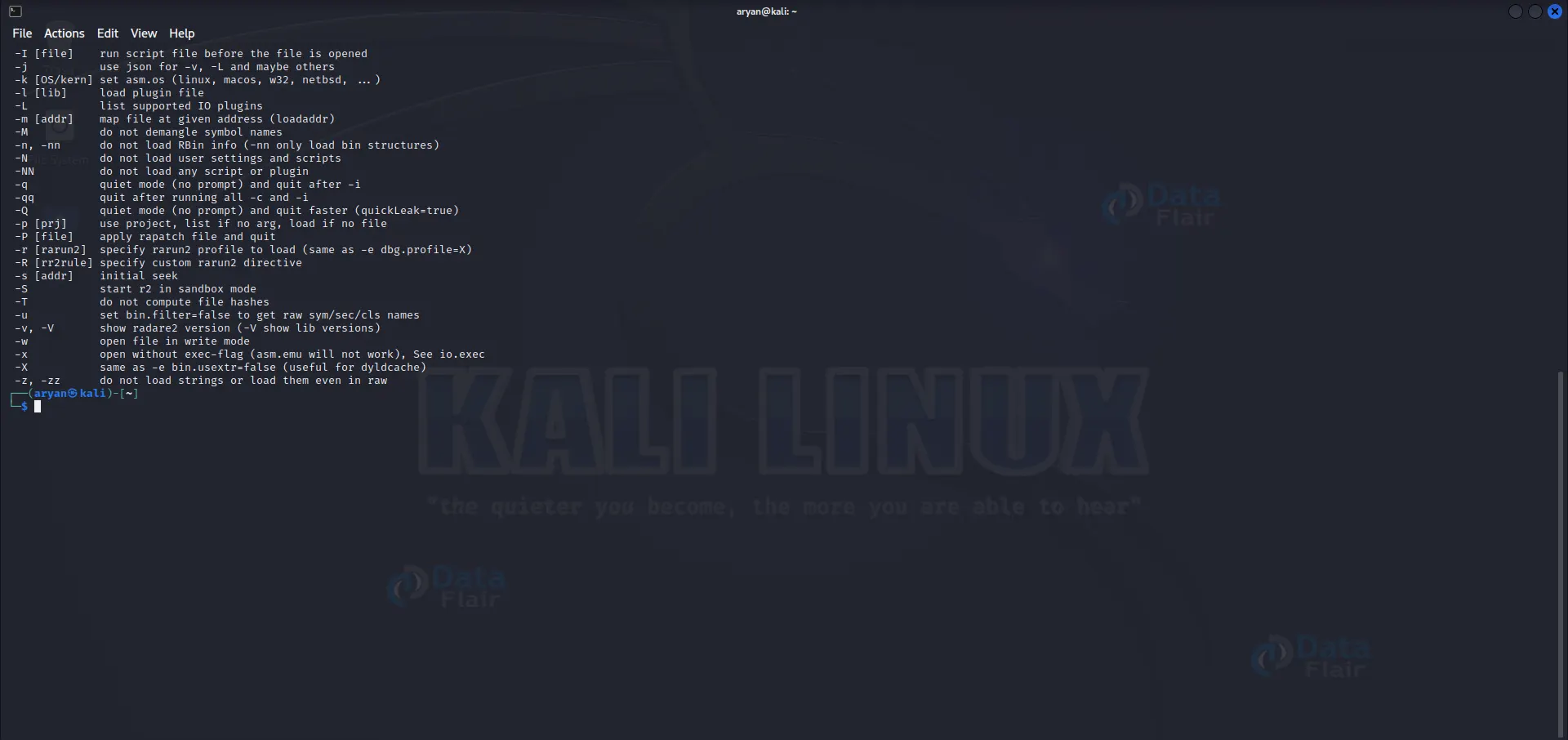
– Uses: Radare2 is a flexible command-line tool used for opposite engineering, debugging, and exploit development.
– Details: It helps a wide variety of document formats and architectures, making it notably adaptable.
– Features: Disassembly, binary evaluation, debugging, scripting, and taking advantage of improvement abilities.
– Basic Commands and Codes:
# Install Radare2
   apt-get install radare2

   # Launch Radare2
   r2 <binary_file>
3. Ghidra:
– Uses: Ghidra is a characteristic-rich software reverse engineering suite advanced through the National Security Agency (NSA).
– Details: It presents a comprehensive set of equipment for studying binaries, including disassembly, decompilation, and scriptability.
– Features: Decompiler, graph view, scripting guide, collaborative opposite engineering.
– Basic Commands and Codes:
# Install Ghidra
  apt-get install ghidra

  # Launch Ghidra
  ghid

4. Binary Ninja:
– Uses: Binary Ninja is a modern-day, person-pleasant binary evaluation platform famous among reverse engineers.
– Details: It focuses on presenting a streamlined and green workflow with effective capabilities for reading binaries.
– Features: Advanced graphing, scripting, pass-platform assist, and giant plugin environment.
– Basic Commands and Codes:
# Install Binary Ninja
    apt-get install binaryninja

    # Launch Binary Ninja
    binaryninja <binary_file>

5. Hopper:
– Uses: Hopper is a reverse engineering tool known for its intuitive user interface and cross-platform guide.
– Details: It provides a variety of analysis talents, consisting of disassembly, decompilation, and debugging.
– Features: Decompiler, graphical interface, scripting, cross-platform aid.
– Basic Commands and Codes:
# Install Hopper
   apt-get install hopper

   # Launch Hopper
   hopper <binary_file>
6. OllyDbg:
– Uses: OllyDbg is a popular debugger for analyzing executable files, allowing step-via-step code execution and debugging.
– Details: It provides a person
-friendly interface with a lot of capabilities for dynamic analysis and debugging.
– Features: Code debugging, breakpoint control, register, and reminiscence examination.
– Basic Commands and Codes:
# Install OllyDbg
   apt-get install ollydbg

   # Launch OllyDbg
   ollydbg <executable_file>

7. Frida:
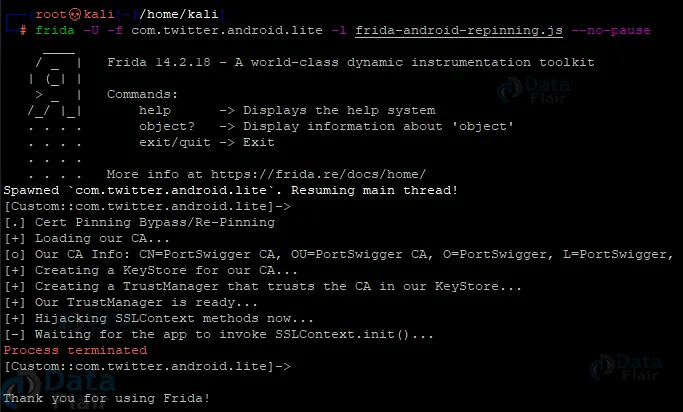
– Uses: Frida is a dynamic binary instrumentation framework that lets reverse engineers control and investigate strolling techniques.
– Details: It helps a couple of platforms and gives robust runtime analysis and instrumentation capabilities.
– Features: Dynamic code injection, scriptability, go-platform guide.
– Basic Commands and Codes:
# Install Frida
  apt-get install frida-tools

  # Attach to a process using Frida
  frida -U <process_name>
8. Androguard:
– Uses: Androguard is an opposite engineering device specifically designed for studying Android packages.
– Details: It permits customers to examine the internal workings of Android apps, along with disassembling, decompiling, and analyzing APK files.
– Features: Disassembly, decompilation, bytecode analysis, Android-unique evaluation.
– Basic Commands and Codes:
# Install Androguard
apt-get install androguard

# Use Androguard to analyze an APK
androguard <apk_file>

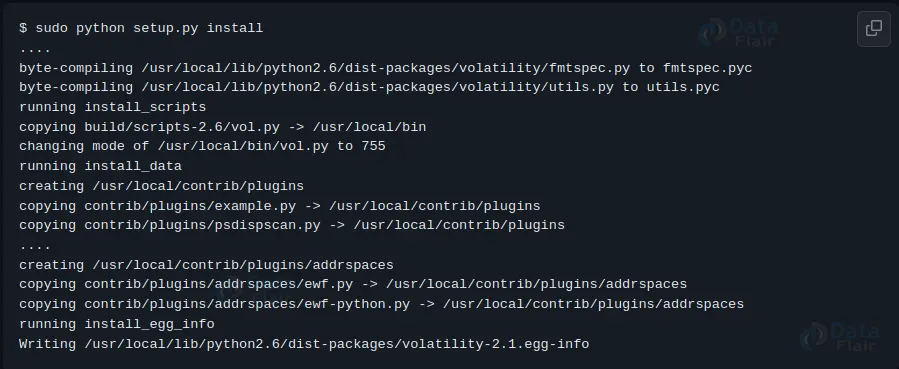
9. Volatility:
– Uses: Volatility is a robust memory forensics framework that aids in reading system reminiscence dumps.
– Details: It enables reverse engineers to extract treasured information from memory dumps, walking techniques, community connections, and more significance.
– Features: Memory evaluation, manner evaluation, community evaluation.
– Basic Commands and Codes:
# Install Volatility
   apt-get install volatility

   # Analyze a memory dump with Volatility
   volatility -f <memory_dump_file> <command>
10. Apktool:
– Uses: Apktool is an opposite engineering tool designed explicitly for decompiling and reading Android APK files.
– Details: It allows opposite engineers to extract the source code and resources and take place files from APKs.
– Features: Decompilation, resource extraction, APK manipulation.
– Basic Commands and Codes:
# Install Apktool
   apt-get install apktool

   # Decode an APK with Apktool
   apktool d <apk_file>

11. Wireshark:
– Uses: Wireshark is an influential community protocol analyzer that aids in opposite engineering community-primarily based packages.
– Details: It lets users capture and examine community visitors, analyze packet-stage info, and decipher protocols.
– Features: Packet analysis, protocol inspection, traffic capture.
– Basic Commands and Codes:
# Install Wireshark
   apt-get install wireshark

   # Launch Wireshark
   wireshark

12. Burp Suite:
– Uses: Burp Suite is a web software security checking out platform that may be used for opposite engineering internet programs.
– Details: It offers several gears for intercepting, studying, and manipulating HTTP requests and responses.
– Features: Proxy interception, request/response evaluation, vulnerability scanning.
– Basic Commands and Codes: Not applicable (Burp Suite is a Graphical User Interface based totally device).

13. JEB Decompiler:
– Uses: JEB Decompiler is a complete reverse engineering tool for Java applications.
– Details: It allows opposite engineers to decompile and analyze Java bytecode, aiding in expertise in the reasonable judgment and behavior of Java programs.
– Features: Decompilation, bytecode evaluation, Java-specific evaluation.
– Basic Commands and Codes: Not applicable (JEB Decompiler is a Graphical User Interface-based device).

14. GDB:
– Uses: GDB (GNU Debugger) is a powerful command-line device for debugging and reading executable files.
– Details: It helps a few programming languages and presents superior debugging functions.
– Features: Code debugging, breakpoint management, variable exam.
– Basic Commands and Codes:
# Install GDB
  apt-get install gdb

  # Launch GDB
  gdb <executable_file>
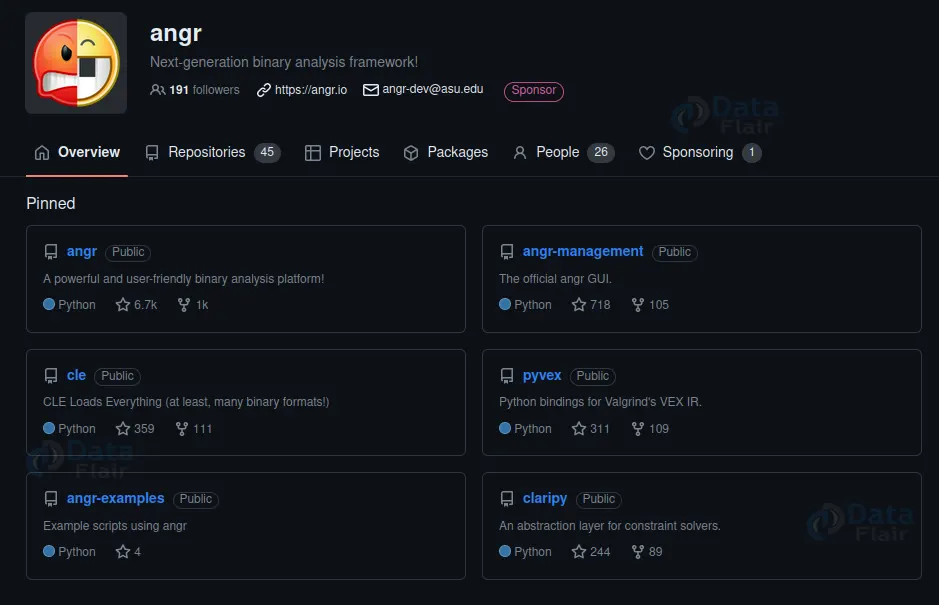
15. Angr:
– Uses: Angr is a robust binary evaluation framework that aids in automatic opposite engineering and vulnerability discovery.
– Details: It offers extensive tools and strategies for studying and exploring binaries.
– Features: Symbolic execution, constraint solving, program evaluation.
– Basic Commands and Codes: Not relevant (Angr is commonly used through Python scripts).
Steps to Use Reverse Engineering Tools in Kali Linux:
Now that we’ve protected a number of the pinnacle reverse engineering gear in Kali Linux, permits define a well-known workflow to get began with reverse engineering:
1. Identify the goal: Determine the software, firmware, or device you want to investigate and apprehend.
2. Choose the best tool: Select the reverse engineering tool that aligns with your objectives and the goal’s traits.
3. Install the device: Use the package manager in Kali Linux (apt-get) to install the chosen device if unavailable.
4. Launch the tool: Open a terminal or use the GUI to launch the opposite engineering tool.
5. Load the target: The tool’s commands or options load the goal binary, firmware, or machine into the analysis environment.
6. Analyze and discover: Utilize the capabilities and talents of the device to dissect, examine, and explore the goal. This might also involve disassembly, decompilation, debugging, memory evaluation, or community analysis, relying on the tool and target.
7. Extract insights: Extract precious records and insights from the evaluation to benefit a more profound knowledge of the goal’s functionality, vulnerabilities, or underlying algorithms.
Ethical and Legal Considerations in Kali Linux:
While reverse engineering tools may be powerful properties for various purposes, it’s critical to stick to moral and felony considerations:
1. Obtain the correct authorization: Ensure you have the proper prison authority or consent before engaging in other engineering sports. Unauthorized right of entry to or evaluation can result in criminal results.
2. Respect intellectual assets rights: Be aware of the intellectual property rights related to the target you’re analyzing. Reverse engineering should be carried out for valid purposes and no longer infringe upon copyrights or patents.
3. Use tools responsibly: Reverse engineering tools should be used solely for felony and ethical purposes, together with protection checks, vulnerability research, or personal mastering.
4. Respect privacy: Be cautious when handling programs or systems that involve private records. Handle any touchy data with utmost care and in compliance with relevant privacy policies.
Conclusion:
Reverse engineering tools in Kali Linux empower cybersecurity professionals and fanatics to unravel the mysteries of software programs, firmware, and systems. By leveraging these tools successfully, customers can gain insights into the inner workings of digital artefacts, enhance protection tests, and contribute to innovation.
However, it is essential to approach opposite engineering ethically and legally, respecting highbrow property rights and privacy concerns. So, let the journey of exploration and evaluation start, armed with the complete variety of opposite engineering tools to be had in Kali Linux.
Did you like this article? If Yes, please give DataFlair 5 Stars on Google





