Maintaining Access Tools in Kali Linux
Expert-led Courses: Transform Your Career – Enroll Now
In the world of cybersecurity, Kali Linux stands proud as a robust and broadly-used working machine designed for penetration trying out, virtual forensics, and keeping get entry to target structures. Maintaining get admission is a crucial issue of ethical hacking, allowing professionals to steady compromised systems and prevent further unauthorized get entry.
This weblog submission will delve into the realm of maintaining get admission to equipment in Kali Linux, highlighting their use of details, capabilities, primary instructions, and steps to appoint them efficiently.
Overview:
Maintaining get right of entry to gear in Kali Linux encompasses an extensive selection of applications and utilities that aid cybersecurity experts in handling access to compromised systems. These gear facilitate the secure retention of control over targeted strategies, bearing in mind essential investigations and preventive measures.
In this weblog, we can discover fifteen critical maintaining get admission to tools, each playing a crucial position in moral hacking.
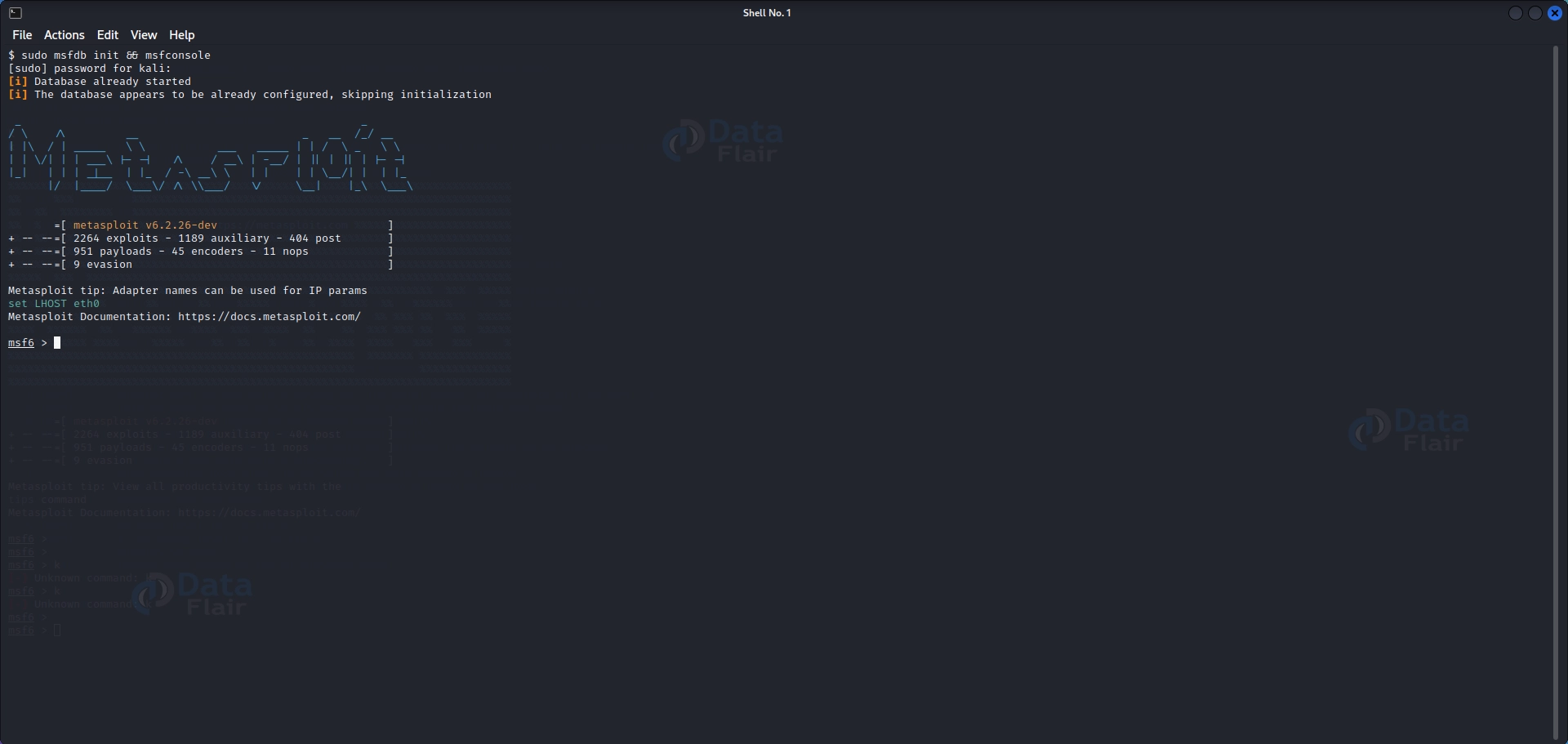
1. Metasploit Framework:
a) Uses: Metasploit is a robust framework for vulnerability evaluation, penetration checking out, and retaining access to goal systems.
B) Details: Metasploit provides a substantial collection of take-advantage modules, payloads, and auxiliary equipment, allowing professionals to make the most of vulnerabilities.
C) Features: It offers a user-pleasant interface, considerably makes the most database, multi-platform aid, and automatic vulnerability scanning.
D) Basic Commands and Codes:
– msfconsole: Launches the Metasploit console.
– use exploit/[exploit_name]: Selects an exploit module.
– set RHOSTS [target_IP]: Sets the target host.
– exploit: Executes the selected exploit.
2. Netcat (nc):
a) Uses: Netcat is a flexible application for retaining, getting admission to, port scanning, and moving documents between systems.
B) Details: It establishes TCP or UDP connections and facilitates the transmission of records over the network.
C) Features: Netcat helps port scanning, forwarding, and developing backdoors for far-off get the right of entry.
D) Basic Commands and Codes:
– nc -l -p [port]: Listens on a specific port.
– nc [target_IP] [port]: Connects to a target IP and port.
– nc -v -n -z -w1 [target_IP] [start_port]-[end_port]: Scans for open ports.
3. Meterpreter:
a) Uses: Meterpreter is a potent payload used inside the Metasploit framework for preserving get right of entry to and appearing submit-exploitation obligations.
B) Details: It provides an in-depth set of capabilities, together with document gadget manipulation, privilege escalation, keylogging, and community exploration.
C) Features: Meterpreter supports stealthy operations, encrypted conversation, and interactive shell get entry.
D) Basic Commands and Codes:
– sessions: Lists active sessions.
– sessions -i [session_number]: Connects to a specific session.
– migrate [process_ID]: Moves the Meterpreter session to a different process.
4. Hydra:
a) Uses: Hydra is a password-cracking device used for keeping get entry with brute-forcing passwords on numerous protocols and offerings.
B) Details: It helps a couple of protocols with SSH, FTP, HTTP, and databases like MySQL, PostgreSQL, etc.
C) Features: Hydra allows for parallel password cracking, customizability of attack parameters, and various assault sorts.
D) Basic Commands and Codes:
– hydra -l [username] -P [password_file] [target_IP] [protocol]: Performs a brute-force attack on the specified protocol.

5. Nmap:
a) Uses: Nmap is a flexible community scanning tool that aids in maintaining get admission by way of identifying open ports and offerings on course structures.
B) Details: It employs numerous scanning techniques like TCP SYN, UDP, and OS fingerprinting to collect records about community hosts.
C) Features: Nmap offers flexible output formats, advanced scanning alternatives, and scripting abilities for automation.
D) Basic Commands and Codes:
– nmap -p [port] [target_IP]: Scans a specific port on the target system.
– nmap -sV [target_IP]: Performs version detection on open ports.

6. John the Ripper:
a) Uses: John the Ripper is a popular password-cracking device used to hold access by decoding hashed passwords.
B) Details: It supports numerous password hash sorts and employs one-of-a-kind cracking modes, which include a dictionary, brute force, and hybrid assaults.
C) Features: John the Ripper is customizable, gives multi-threaded processing, and supports GPU acceleration for quicker cracking.
D) Basic Commands and Codes:
– john [hash_file]: Starts a password-cracking session using the specified hash file.

7. Armitage:
a) Uses: Armitage is a graphical person interface (GUI) for the Metasploit Framework, enhancing its capability for retaining access and publish-exploitation responsibilities.
B) Details: It gives a person-friendly interface to manipulate multiple Metasploit classes, execute exploits, and perform diverse post-exploitation sports.
C) Features: Armitage visually represents network topologies, collaboration talents, and advanced session management.
D) Basic Commands and Codes:
– No particular commands, as Armitage is usually operated through its Graphical User Interface (GUI).

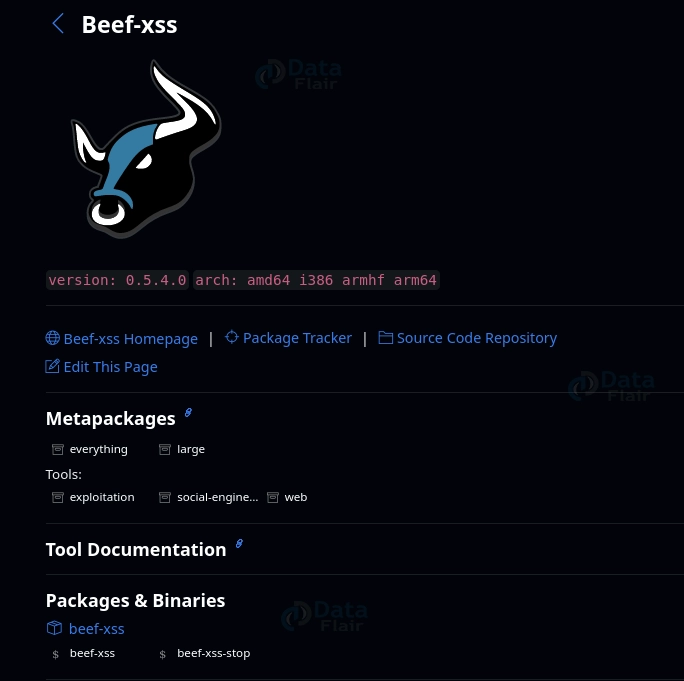
8. BeEF:
a) Uses: BeEF (Browser Exploitation Framework) is a device that maintains access by exploiting net browser vulnerabilities and accomplishing patron-aspect assaults.
B) Details: It permits the manipulation of net browsers, facilitating the execution of targeted assaults and amassing records.
C) Features: BeEF gives an extensive range of browser-based exploits, social engineering tools, and customizable modules for superior assaults.
D) Basic Commands and Codes:
– No unique commands, as BeEF is usually operated via its web-primarily based interface.
9. RouterSploit:
a) Uses: RouterSploit is a practical router exploitation framework used to gain and maintain access and identify networking device vulnerabilities.
B) Details: It objectives vulnerabilities particular to routers and networking gadgets, presenting numerous exploits and publish-exploitation modules.
C) Features: RouterSploit helps an extensive range of router models, offers clean-to-use modules for exploitation, and facilitates data accumulation.
D) Basic Commands and Codes:
– rsf: Starts the RouterSploit framework.
– use [module_name]: Selects a specific module for exploitation.

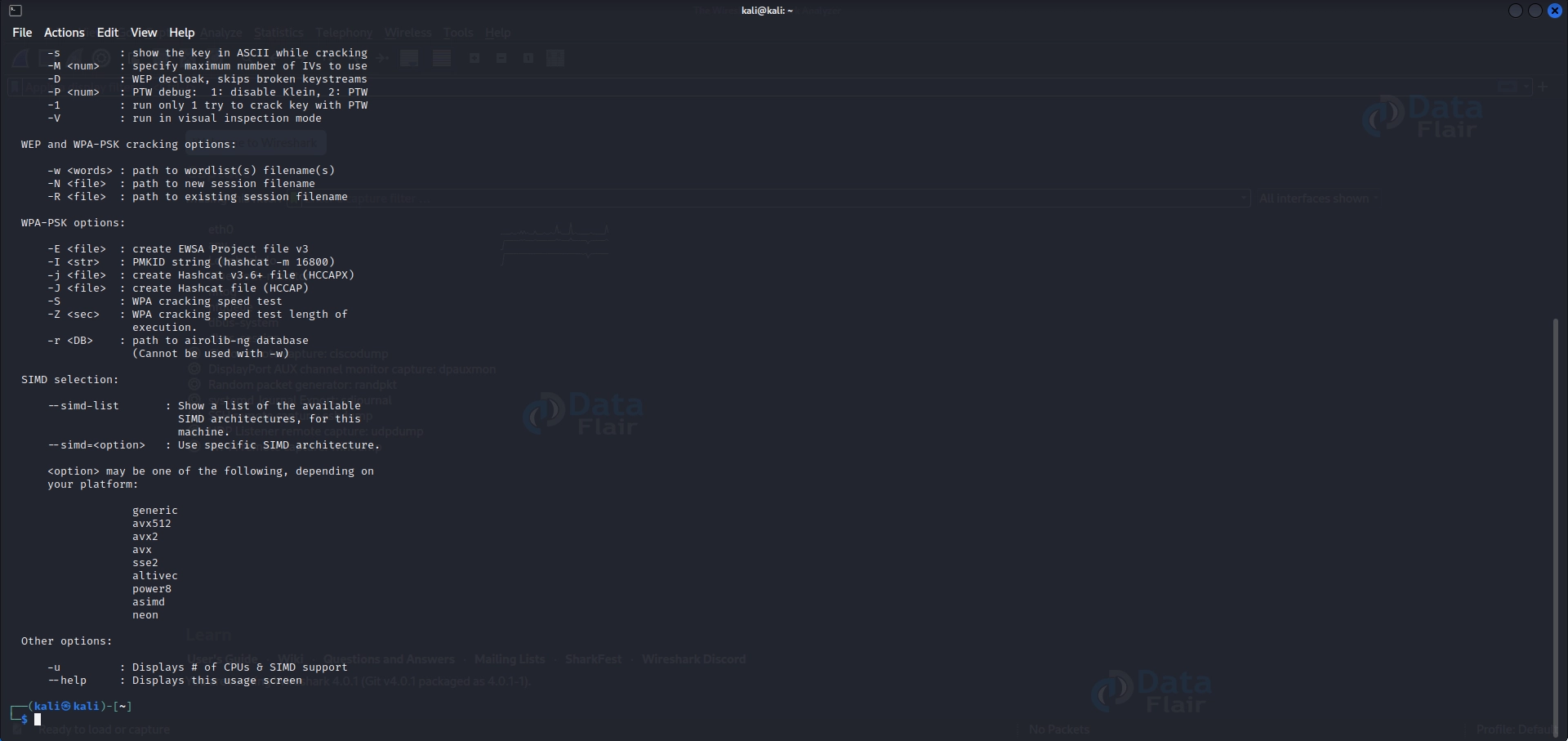
10. Aircrack-ng:
a) Uses: Aircrack-ng is a collection of tools used to retain admission by cracking Wi-Fi passwords and assessing Wi-Fi network safety.
B) Details: It includes equipment for packet taking pictures, password cracking, and acting various assaults on wireless networks.
C) Features: Aircrack-ng helps a wide variety of wireless adapters, provides a statistical evaluation of captured statistics, and gives a couple of assault modes.
D) Basic Commands and Codes:
– airodump-ng [interface]: Captures packets from the specified wireless interface.
– aircrack-ng [capture_file]: Attempts to crack the Wi-Fi password using the captured data.
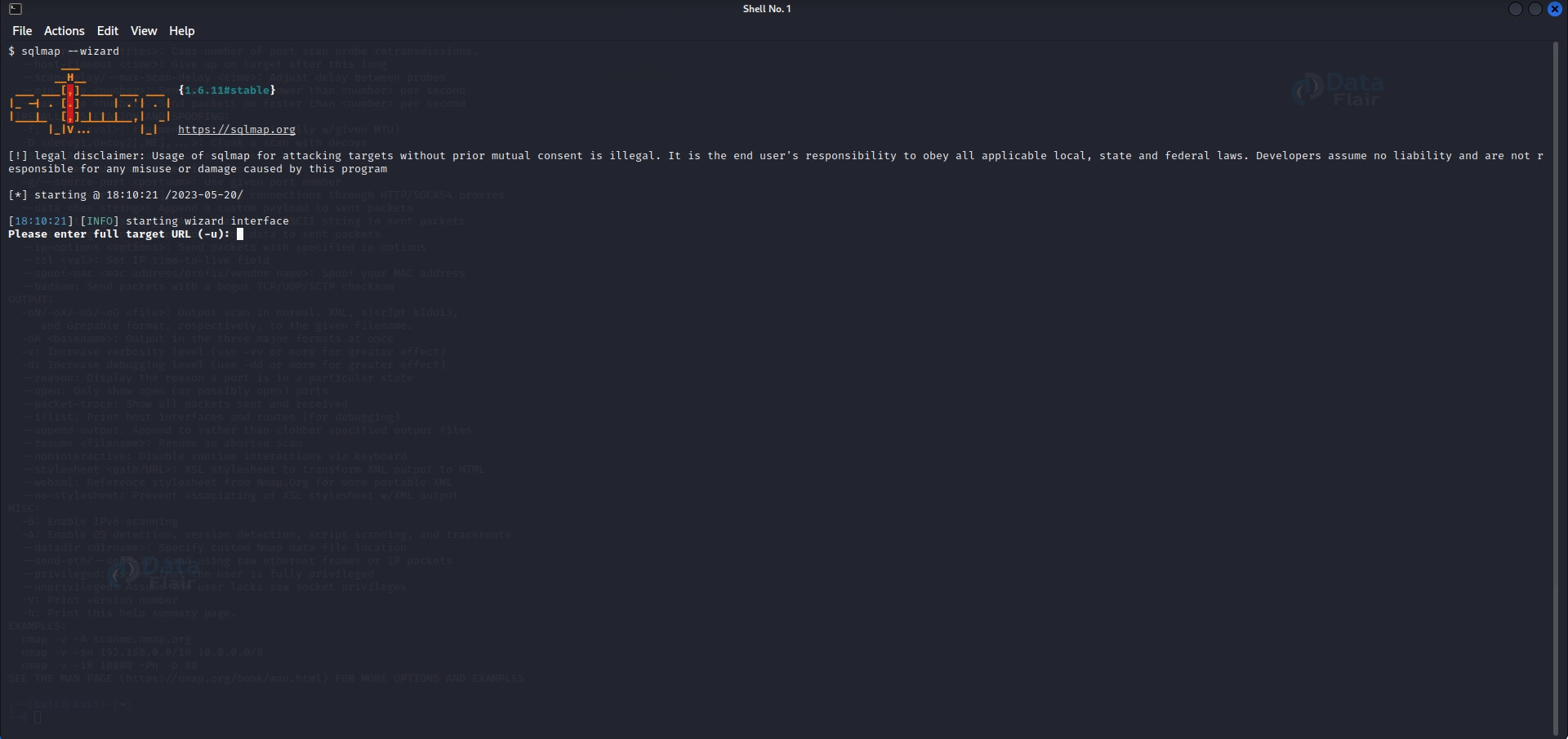
11. Sqlmap:
a) Uses: Sqlmap is an automatic SQL injection tool used for maintaining get entry via exploiting SQL vulnerabilities in network applications.
B) Details: It detects and exploits SQL injection flaws, allowing for unauthorized get entry to databases and data extraction.
C) Features: Sqlmap supports various database management systems, provides advanced strategies for SQL injection exploitation, and gives submit-exploitation capabilities.
D) Basic Commands and Codes:
– sqlmap -u [URL]: Performs a basic SQL injection test on the specified URL.
12. Socat:
a) Uses: Socat is a versatile community application used for preserving access via creating bidirectional connections among different endpoints.
B) Details: It enables port forwarding, information transfer, and community troubleshooting thru diverse protocols.
C) Features: Socat supports numerous protocols, presents superior alternatives for connection management, and allows for encryption and tunneling.
D) Basic Commands and Codes:
– socat TCP-LISTEN: [local_port],reuseaddr,fork TCP:[target_IP]:[target_port]: Listens on a local port and forwards connections to the target.

13. Cobalt Strike:
a) Uses: Cobalt Strike is a comprehensive penetration testing device for retaining access and undertaking superior pink group operations.
B) Details: It affords quite several capabilities, which include beacons for command-and-manipulate, submit-exploitation modules, and social engineering campaigns.
C) Features: Cobalt Strike gives stealthy communique, phishing abilities, privilege escalation, and lateral movement within a compromised network.
D) Basic Commands and Codes:
– teamserver [password]: Starts the Cobalt Strike team server with the specified password.
– use [module]: Loads a specific post-exploitation module.
– beacon [listener]: Generates a beacon payload for establishing a persistent connection.
14. Empire:
a) Uses: Empire is a robust put-up-exploitation framework for retaining entry to and conducting offensive operations in Windows environments.
B) Details: It gives more than a few abilities, including command execution, lateral motion, keylogging, and privilege escalation.
C) Features: Empire supports encrypted communication, modular architecture for smooth extension, and integration with numerous payload transport techniques.
D) Basic Commands and Codes:
– listeners: Lists active listeners for incoming connections.
– agents: Displays the active agents connected to Empire.
– interact [agent_name]: Interacts with a specific agent for executing commands.
15. Pupy:
a) Uses: Pupy is a flexible far-off administration and put-up-exploitation tool used for preserving get right of entry to compromised structures.
B) Details: It gives quite several capabilities, which include far off-shell get right of entry to, record system manipulation, keylogging, and screenshot capture.
C) Features: Pupy helps each Windows and Linux system, gives encrypted communication, and allows lateral movement within a community.
D) Basic Commands and Codes:
– pupysh: Starts the Pupy agent shell.
– sessions: Lists active Pupy sessions.
– interact [session_number]: Interacts with a specific Pupy session for executing commands.
Steps to Use Maintaining Access Tools in Kali Linux:
1. Identify the Target:
Before using maintaining get entry to tools in Kali Linux, it is essential to become aware of the target gadget or network. This involves obtaining the correct authorization and ensuring that each sport aligns with legal and ethical issues. Clearly define the scope of the assessment and decide the specific machine or community that calls for get right of entry to protection.
2. Reconnaissance and Scanning:
Conduct thorough reconnaissance and scanning of the target gadget or community using equipment like Nmap. This step includes identifying open ports, offerings, and ability vulnerabilities. Scan for available hosts, decide on the running device, and collect much information as feasible for valuable resources within the next steps.
3. Vulnerability Assessment:
Once the initial scanning is complete, perform a comprehensive vulnerability evaluation using tools like OpenVAS or Nessus. These gear can perceive recognized vulnerabilities in the target gadget and provide particular reports on capacity weaknesses. Evaluate the severity of every vulnerability and prioritize them based totally on their impact.
4. Exploit Selection:
Pick out appropriate exploits from gear like Metasploit based on the recognized vulnerabilities. Analyze the vulnerabilities and decide the most effective exploit for gaining and retaining get right of entry to the target machine. Consider the capacity dangers and consequences of every take advantage of and choose the only one that aligns with the defined targets.
5. Exploit Execution:
Execute the chosen to exploit the usage of the relevant tools. Metasploit, for instance, offers several exploits and payloads that can be used to advantage preliminary get right of entry to the goal system. Utilize the furnished instructions and codes to release, make the most of, and establish a connection or backdoor to keep getting admission.
6. Post-Exploitation Tasks:
Once get right of entry to the goal gadget is hooked up, continue with publish-exploitation duties to keep control and gather applicable information. Tools like Meterpreter provide a wide variety of submit-exploitation features, including report device manipulation, privilege escalation, network exploration, and facts exfiltration. Employ the perfect instructions and codes to perform those duties correctly.
7. Persistence and Backdoors:
To ensure endured get admission to the compromised device, keep in mind enforcing endurance mechanisms or backdoors. Tools like Veil-Evasion or Empire can assist in creating continual connections or installing hidden backdoors that permit easy re-access into the device. Be careful and conscious of the ability impact and ethical concerns when using such techniques.
8. Regular Monitoring and Maintenance:
Maintaining get admission is an ongoing process that requires non-stop monitoring and preservation. Regularly verify the compromised machine for adjustments, patch vulnerabilities, and replace security features. It is critical to strike a balance between retaining access and ensuring the gadget’s general security and integrity.
9. Documentation and Reporting:
Throughout the system, preserve specific documentation of the steps taken, vulnerabilities determined, and actions done. This documentation serves as a reference for destiny evaluation and facilitates producing complete reviews. Ensure that the reviews spotlight the vulnerabilities, mitigation techniques, and hints for improving the security posture of the target device.
By following those steps and considering ethical and felony issues, cybersecurity specialists can efficaciously make use of preserving get entry to equipment in Kali Linux to secure compromised structures, investigate vulnerabilities, and contribute to a more secure digital environment.
Ethical and Legal Considerations in Kali Linux:
As cybersecurity professionals, approaching access tools in Kali Linux with a strong sense of ethics and a deep understanding of legal concerns regarding maintaining access is of utmost significance. The responsible and moral use of those tools is vital to preserving the profession’s integrity and ensuring the safety and privacy of people and organizations.
1. Obtain Proper Authorization: Before undertaking any penetration trying out sports, or using preserving get entry to equipment, it’s vital to gain express and written authorization from the proprietors of the structures or networks being tested. This authorization must outline the scope, obstacles, and duration of the testing manner.
2. Respect Privacy and Confidentiality: Throughout the complete method of retaining get entry, it’s miles crucial to recognize the privacy and confidentiality of all parties worried. Any information or information received at some point of the testing must be dealt with with care and handiest used for the meant functions.
3. Adhere to Applicable Laws and Regulations: Cybersecurity experts should familiarize themselves with the prison frameworks and rules governing their work. This includes laws related to hacking, facts protection, privacy, and highbrow property rights. Failure to comply with these legal guidelines can result in excessive criminal outcomes.
4. Exercise Good Judgment: Working out correct judgment and using preserving access equipment most straightforward for valid and certified purposes is critical. Any unauthorized access or malicious cause can lead to severe prison, monetary, and reputational repercussions.
5. Continuous Professional Development: Cybersecurity is ever-evolving, and experts must stay up-to-date with the present-day moral recommendations and felony requirements. Engage in continuous expert development, attend industry conferences, and participate in schooling applications to enhance your understanding and competencies.
6. Maintain Clear Documentation: Maintain clean and accurate documentation of all movements achieved at some point of the maintaining get right of entry to procedure. This documentation must consist of the motive, method, and effects of the trying out and any communication and authorization received from relevant parties.
7. Consult Legal Professionals: When unsure about the legality or moral implications of specific actions, talking with prison specialists who concentrate on cybersecurity or digital law is beneficial. They can offer valuable guidance and ensure that your activities are conducted in the barriers of the regulation.
8. Responsible Disclosure: If vulnerabilities are found during the keeping get admission to technique, it is vital to observe responsible disclosure practices. Report the openness to the proper parties, which includes the system owners or applicable authorities, and permit them the possibility to deal with and rectify the issues before disclosing them publicly.
By adhering to those ethical and felony considerations, cybersecurity experts can ensure that their use of retaining access tools aligns with expert standards and contributes to a safer and more secure digital panorama. Responsible and ethical practices aren’t the most effective legally required but are additionally essential for constructing acceptance as accurate with and retaining the integrity of the cybersecurity career.
Conclusion:
Maintaining get admission to gear in Kali Linux plays a critical function in ethical hacking, allowing specialists to stable compromised structures, check out vulnerabilities, and save unauthorized get access. Understanding these gear’s uses, info, capabilities, and simple commands is critical for their effective deployment.
However, conducting these sports ethically and legally is far of extreme importance, continually acquiring proper authorization and following set-up hints. Cybersecurity specialists can contribute to a safer digital landscape by responsibly using, and retaining get admission tools.
Did you like our efforts? If Yes, please give DataFlair 5 Stars on Google