UDP Protocol
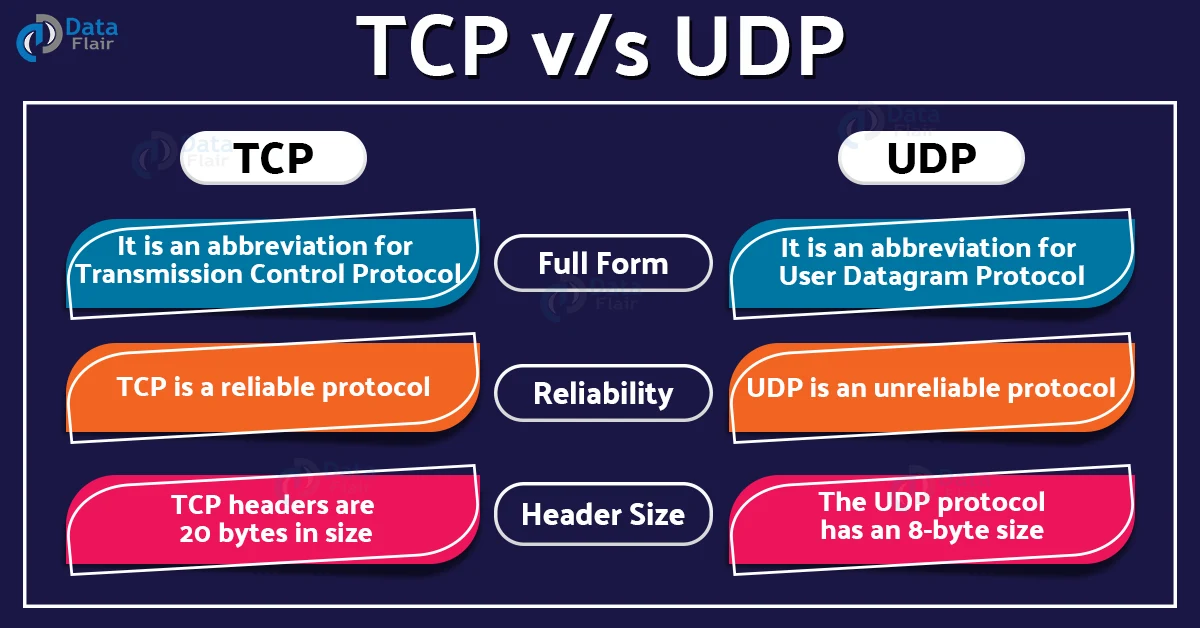
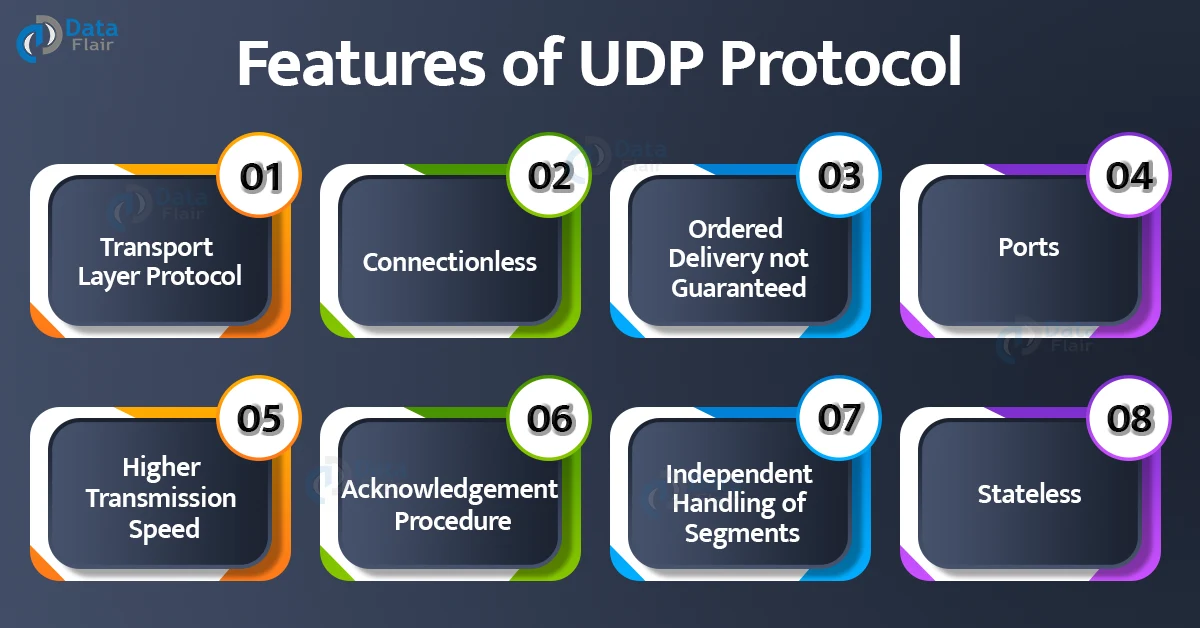
In 1980, David P. Reed created the UDP protocol. It is a standard protocol over the internet because it is defined in RFC 768 and is a part of the TCP/IP protocol. Using the...

In 1980, David P. Reed created the UDP protocol. It is a standard protocol over the internet because it is defined in RFC 768 and is a part of the TCP/IP protocol. Using the...
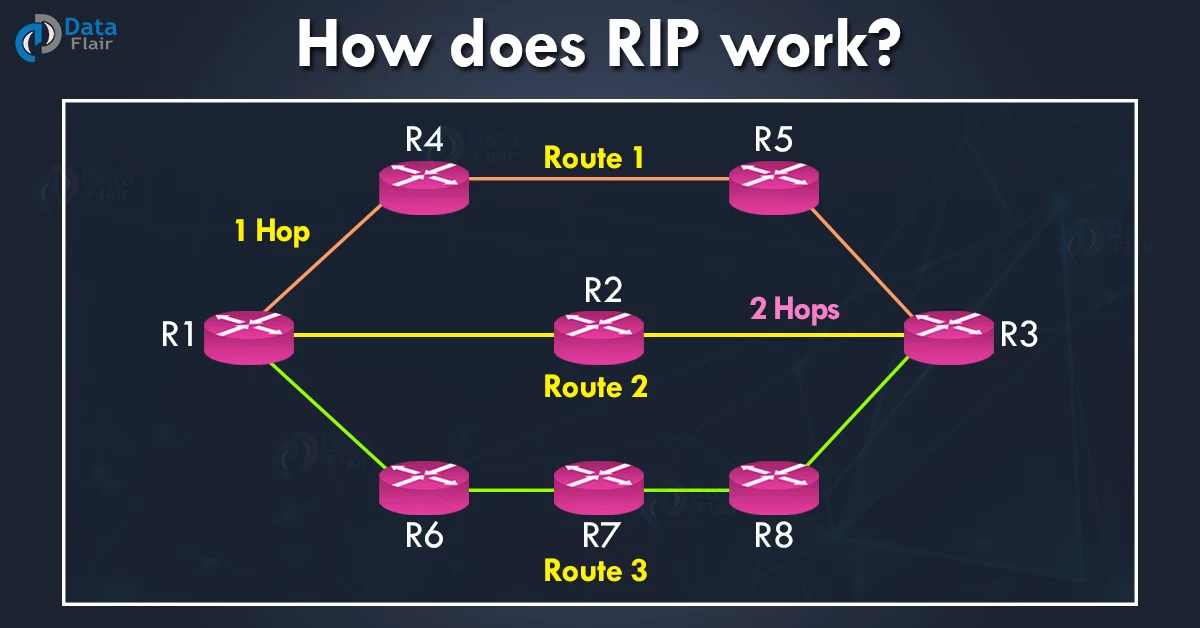
Routing Information Protocol (RIP) is an acronym for Routing Information Protocol. Within an autonomous system, RIP is an intra-domain routing protocol. Intra-domain routing is when packets are routed inside a defined domain, such as...
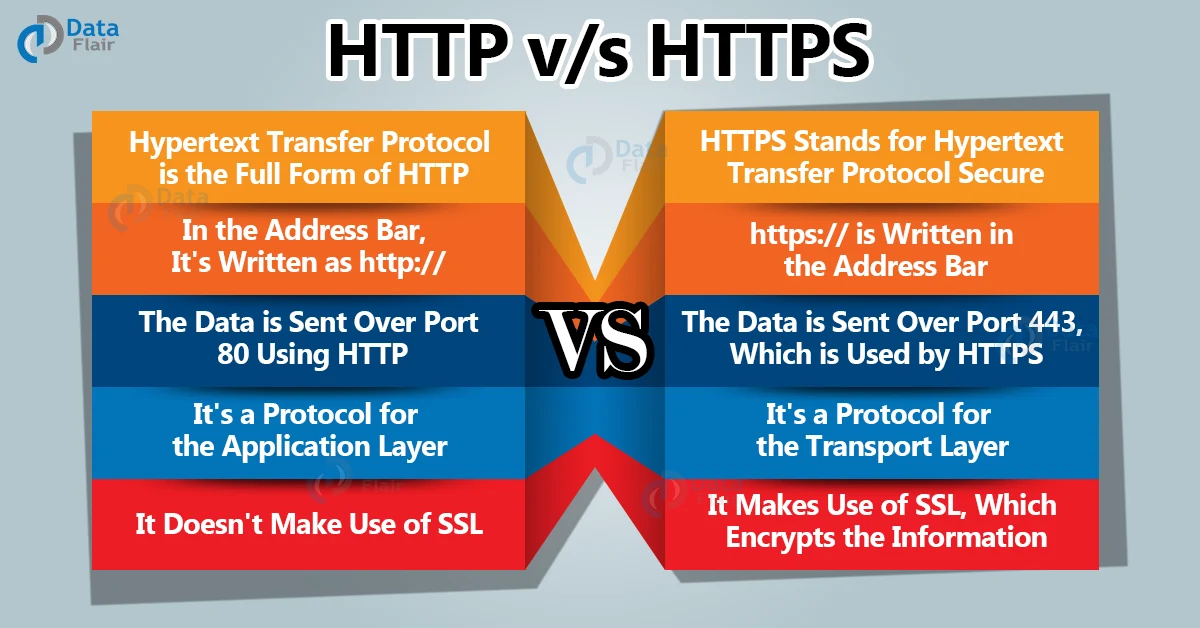
What is HTTP? The Hypertext Transfer Protocol (HTTP) stands for Hypertext Transfer Protocol. The HTTP protocol allows different communication systems to communicate with one another. The web server sends the requested data to the...
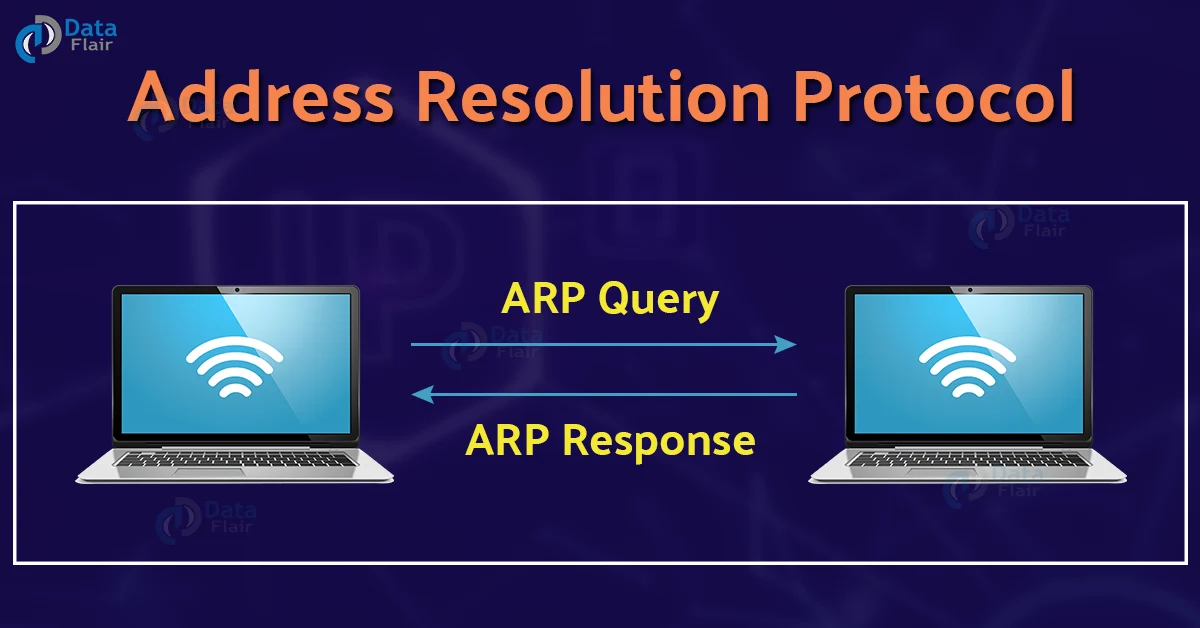
ARP is an abbreviation for Address Resolution Protocol, which is used to determine the MAC address of a device based on its known IP address. This signifies that the source device already knows the...
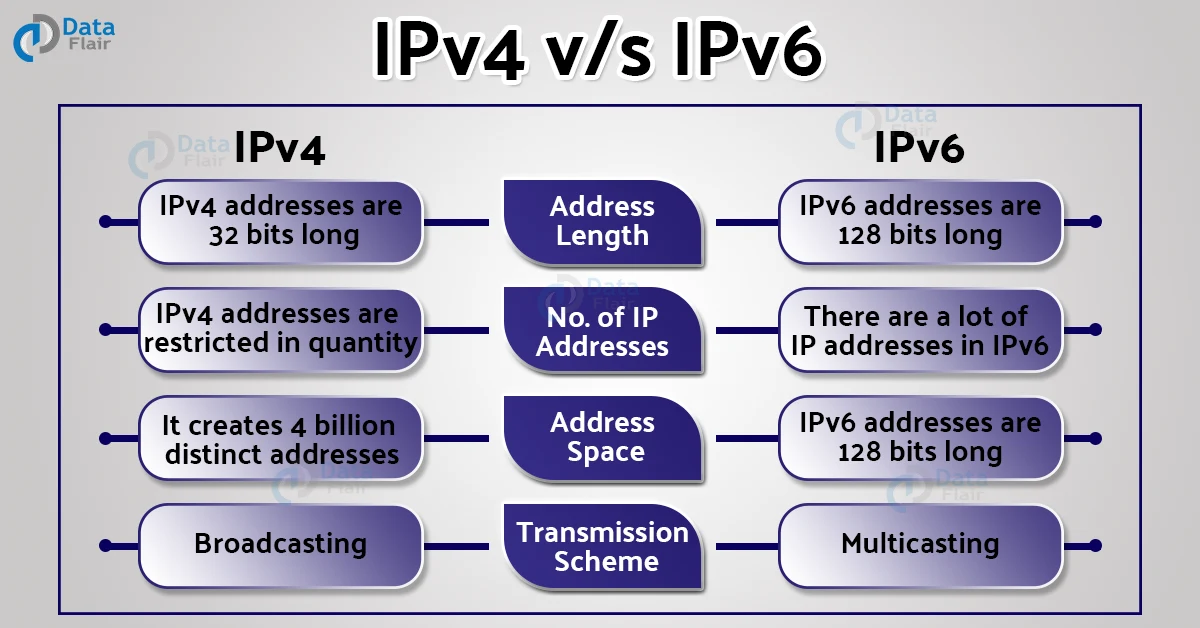
IP is short for Internet Protocol. Each device connected to a network is given an IP address. Each device communicates using an IP address. It also functions as an identifier since the address is...
What is TCP? TCP is an abbreviation for Transmission Control Protocol. If we wish to communicate between two computers, the communication must be good and consistent. For example, if we want to see a...
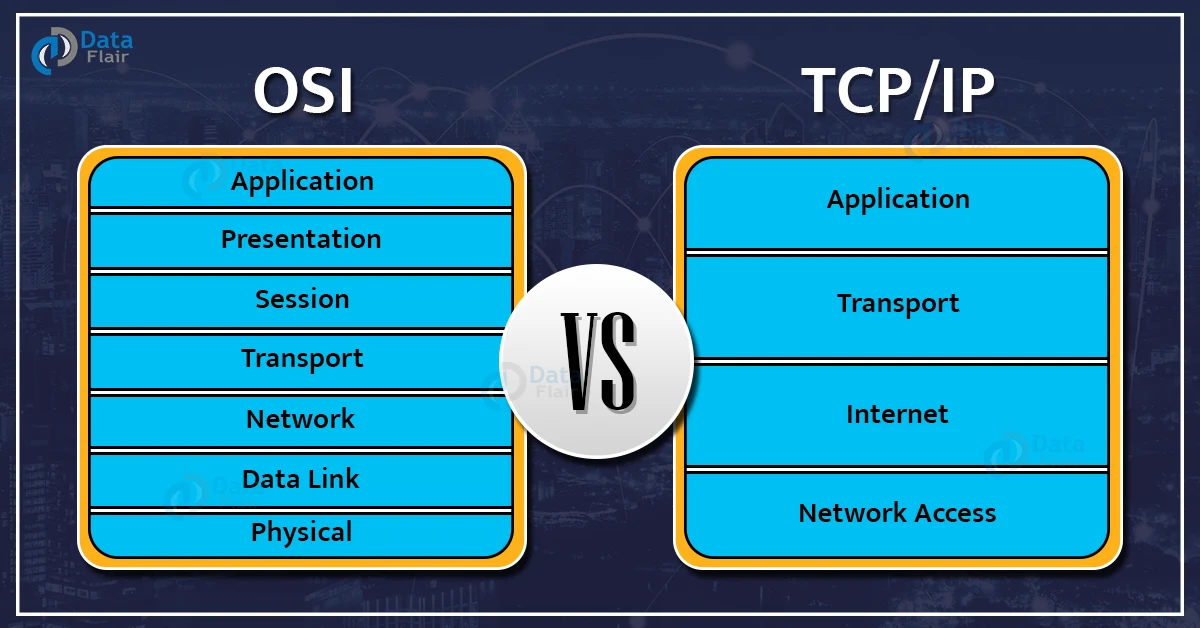
What is the OSI Model? The OSI acronym stands for Open System Interconnection, and it was created in the 1980s. It is a conceptual network communication model. It has never been fully implemented, yet...
For thousands of years, the notion of achieving privacy has remained unchanged: communication cannot be encrypted. All unauthorised parties must be kept in the dark about the communication. To some extent, privacy is achieved...
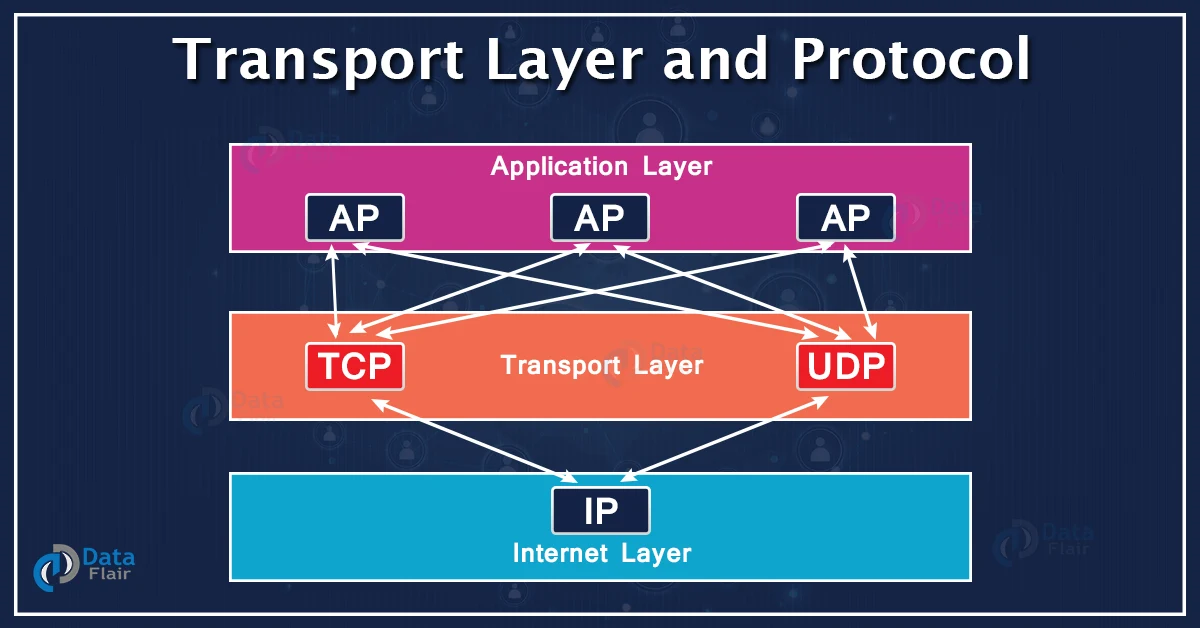
The transport layer is the fourth layer from the top in the OSI Model. Its primary function is to provide communication services directly to application processes running on separate hosts. The transport layer facilitates logical...
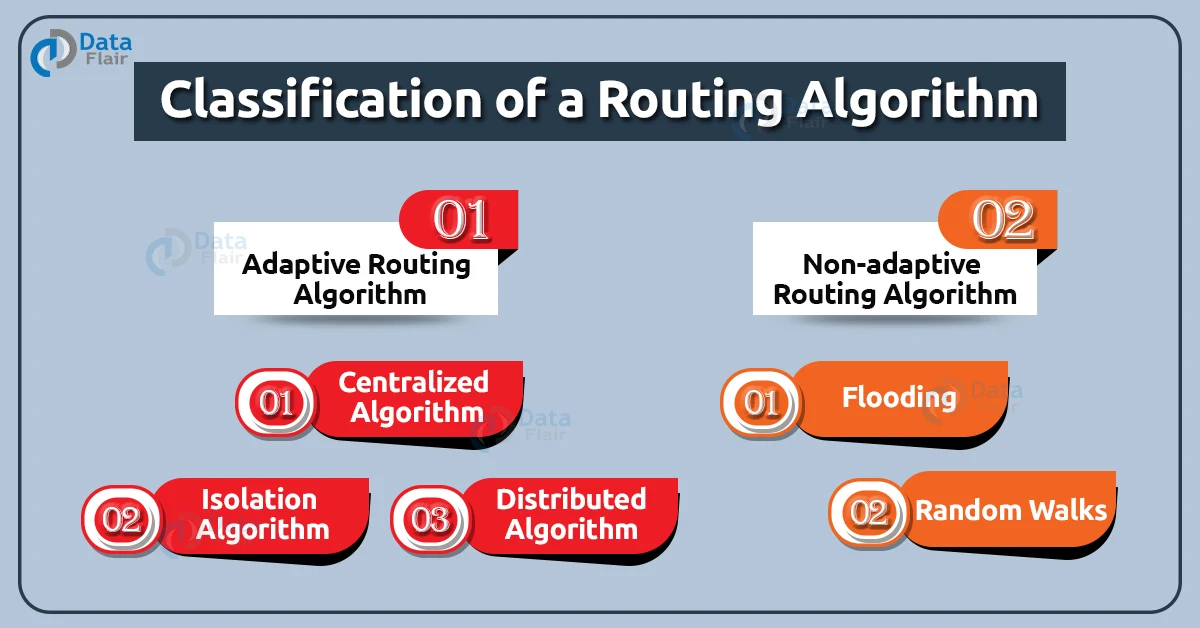
The network layer must find the optimum path by which packets may be transferred in order to convey them from the source to the destination. The network layer’s principal duty, whether it offers datagram...