Free Blockchain Course with Certificate

Blockchain technology has completely changed how we manage data, make transactions, and build trust in digital ecosystems. The decentralized, unchangeable ledger architecture that powers cryptocurrencies like Bitcoin and Ethereum has many uses outside of the financial sector. Blockchain is changing businesses all around the world, from healthcare records to supply chain management.
What will you take home from this Free Blockchain Course?
- Self paced video-based course
- Complete study materials, practicals, quizzes, projects
- Acquire practical knowledge which industry needs
- Practical Blockchain course with real-time case-studies
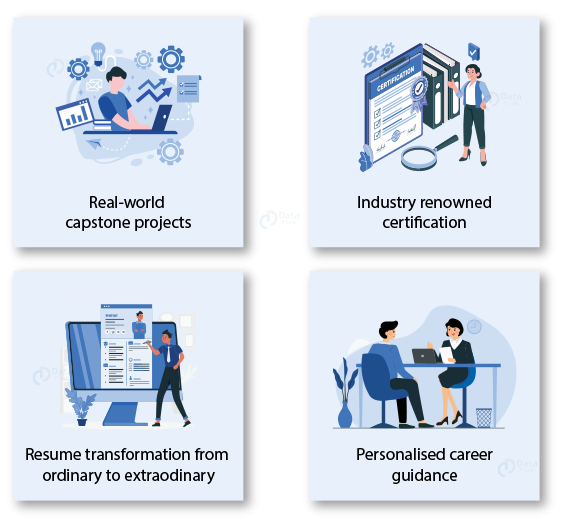
- Lifetime access with industry-renowned certification
Why should you enrol in this Free Blockchain course?
- Gain a thorough grasp of blockchain technology, including how it works and what uses it has in the real world
- Develop your own blockchain apps while gaining hands-on experience
- Improve your employment prospects by developing a set of valuable skills that are in demand across a variety of industries
- Knowledge of how cryptocurrencies operate and how to securely manage digital assets is referred to as cryptocurrency proficiency
- Develop your problem-solving skills so you can use blockchain solutions to address complicated business issues
- Obtain a blockchain certification to demonstrate your proficiency in this cutting-edge sector
- Experts focused on real-world blockchain applications when creating our course
- Learn from seasoned experts with a wealth of blockchain development knowledge
- Make connections with other students, teachers, and business leaders
- Take advantage of services for job placement and the rising demand for blockchain expertise
- Follow the most recent trends and advancements in blockchain technology
- Apply your knowledge by working on practical projects that mirror real-world situations
- Examine the social effects and ethical implications of blockchain technology
- Recognize the ways that blockchain is upending the traditional finance and investment industries
- Discover how to use blockchain for creative startup concepts
- Navigate the blockchain’s changing legal and regulatory environment
- Access materials and continuing assistance even after the course has ended
Blockchain Course Objectives
A blockchain course is an in-depth educational program created to give people the knowledge and abilities they need to comprehend, develop, and use blockchain technology. Offering these Blockchain courses to a wide variety of students, from novices to seasoned experts, are educational institutions, internet platforms, and professional organizations.
Students usually delve into the fundamental ideas of blockchain, such as its decentralized ledger structure, cryptographic concepts, and consensus mechanisms, in a blockchain course. Additionally, they cover practical topics like blockchain development, writing smart contracts, and building decentralized apps (DApps). Additionally, these Blockchain courses frequently explore blockchain’s practical applications in a variety of sectors, including finance, supply chain management, healthcare, and more.
Through projects and exercises, blockchain courses give students practical experience so they may use their knowledge in real-world situations. Enrolling in a blockchain course is a wise investment for people who want to stay at the forefront of the digital transformation and take advantage of the rising demand for blockchain expertise in the job market as blockchain technology continues to develop and disrupt many industries.
A blockchain course’s main goals are to give participants a firm foundation in the technology and give them the practical skills they need to go around the ecosystem. These programs are designed to give students a thorough knowledge of the fundamental concepts underlying blockchain, including its decentralized structure, cryptographic security, and consensus methods.
Participants can better understand how blockchain technology solves trust, transparency, and security in digital transactions and data management by understanding these core concepts. Additionally, participants in blockchain courses are encouraged to enhance their practical skills in the design and application of blockchain technology. This involves practical knowledge of building smart contracts, implementing decentralized apps (DApps), and comprehending different blockchain platforms like Ethereum, Hyperledger, and others.
Learners will also look at the ethical, legal, and regulatory aspects of blockchain technology, which will help them understand how to deal with these important issues in practical implementations. The ultimate goals of a blockchain course are to provide students with the knowledge and skills they need to use blockchain effectively across a variety of industries and to contribute to its innovative and responsible application.

Why should you learn Blockchain?
The IT world has seen huge success and revelation with the advent of Blockchain. Below are some factual reasons why one should learn Blockchain from this course.
- The technology is blockchain. The earliest widely recognized example of its potential is Bitcoin. -Mark Kenigsberg
- 10% of the global GDP will be kept on blockchain technology by the year 2030. -Global Economic Forum
- “Blockchain technology will fundamentally alter how we conduct business and is projected to increase business value by $3.1 trillion by 2030.” -The Gartner
- “Like the internet, blockchain is a foundational technology. We have a special chance to influence its future. -Blythe Masters
- The supply chain might be transformed by blockchain in a way that lowers fraud, ensures transparency, and boosts productivity. -Journal of Business Research
What is Blockchain?
Blockchain acts as a decentralized, immutable ledger system and is a revolutionary and transformational technology. It is fundamentally a distributed database that keeps track of transactions made through a network of computers without the aid of intermediaries like banks or governments, ensuring security, transparency, and trust. The term “blockchain” comes from its organizational structure, in which data is divided into “blocks,” each of which contains a list of transactions, and which are subsequently connected in a linear and immutable chain.
The transparency of blockchain is one of its fundamental characteristics. A transaction that has been added to the blockchain is visible to all users of the network and is immutable, which means it cannot be changed or removed. Blockchain is the perfect answer for applications demanding trust and accountability, like financial transactions, supply chain management, and voting systems, due to its transparency and immutability.
Through its affiliation with cryptocurrencies like Bitcoin and Ethereum, which use blockchain technology as its underlying infrastructure, blockchain technology has received worldwide prominence. However, its uses go well beyond the world of money. By offering a safe and impenetrable mechanism to record and verify transactions, assets, and information, it has the potential to transform several industries, including healthcare, real estate, logistics, and more.
What to do before you begin?
t’s advantageous to have a fundamental understanding of computer science concepts, such as data structures and algorithms, before starting this blockchain adventure. Although it can be helpful, prior knowledge of programming languages like Python, JavaScript, or Solidity is not required because we teach the fundamentals throughout the Blockchain course.
In addition, it’s crucial to be curious about the blockchain industry and its possible uses. To obtain a sense of the technology’s potential and constraints, start by perusing internet resources, articles, and introductory films. This will enable you to approach the course with a strong knowledge base and a clear understanding of the significance of blockchain in the current digital environment. Setting aside time specifically for studying and practicing is also essential because blockchain development calls for careful attention to detail and constant work. You’ll be well-prepared to explore the fascinating world of blockchain technology if you make these preparations.
Who should go for this free Blockchain course?
After mastering blockchain, a variety of employment opportunities are open to you. As businesses become more aware of how blockchain technology has the ability to disrupt many industries, there is a steady increase in the demand for blockchain expertise. Your specific employment options will rely on your interests, talents, and the industry you decide to enter.
In essence, regardless of one’s experience or current occupation, blockchain training is appropriate for everyone who wishes to comprehend the technology’s concepts, applications, and ramifications. It provides the chance to pick up useful skills, keep current in an area that is continually growing, and contribute to cutting-edge solutions across sectors.
Blockchain training is beneficial for a wide range of people, especially the following-
- Aspiring Software Developers
- Business Entrepreneurs and Marketers
- IT Graduates
- Tech Enthusiasts
- Cybersecurity Specialists
- Legal and Regulatory Experts
- Aspiring Supply Chain and Logistics Experts
By enrolling in our Blockchain course, you can expect the following benefits:
Participants in a blockchain training course will learn everything there is to know about the technology and all of its potential uses. The core concepts of blockchain, such as its decentralized structure, cryptographic security, and consensus methods, will be covered. The mechanics of blockchain networks will be thoroughly examined by participants, who will learn how data is organized into blocks, protected through hashing, and connected together in an immutable chain.
Additionally, learners can build and implement blockchain solutions thanks to the practical knowledge that blockchain training provides. They will develop practical building skills for creating smart contracts, which are self-executing contracts with applicability across different industries. A valuable skill in the developing world of cryptocurrencies and tokenization, participants will also learn how to build and manage digital assets and tokens on blockchain platforms.
Furthermore, they will be able to manage the regulatory environment and comprehend the ethical and legal issues underlying blockchain. Overall, after completing the Blockchain course, participants will be able to use blockchain technology to address pressing issues and contribute to cutting-edge initiatives in a variety of fields, including banking, supply chain, healthcare, and more.
A strong foundation in the transformational technology that is reshaping industries all around the world is provided by blockchain training. It provides people with the information and abilities needed to fully utilize blockchain’s potential for efficient, safe, and transparent transactions. This knowledge places people at the forefront of the digital revolution and provides a variety of job prospects.
- Blockchain knowledge is highly sought-after, and training can help you stand out from the competition.
- A blockchain degree paves the way for a variety of professional possibilities, including roles in development, consulting, and management.
- An understanding of blockchain might result in creative business concepts and opportunities in the blockchain industry.
- Due to their specific understanding, blockchain specialists frequently fetch greater wages.
- Because of the widespread use of blockchain, your talents are transferable to many countries and business sectors.
- Keep up with technology with understanding of one of the most revolutionary inventions of our time.
- By confronting challenging real-world problems, blockchain training improves your problem-solving skills.
- Investigate the ethical implications of blockchain technology, which is essential for responsible development and deployment.
- You can work in fields of personal interest because blockchain has applicability in many different industries.
- Be a part of the innovation that is catalyzing the fourth industrial revolution and determining the course of the digital era.
Jobs after Learning this Blockchain Course
Having knowledge of blockchain technology brings up a variety of work options in numerous industries. Following a blockchain training, you can apply for a number of important career roles, including the following-
- Blockchain developer
Blockchain developers create, construct, and manage blockchain software and smart contracts. Ethereum, Hyperledger, and Binance Smart Chain are just a few of the blockchain platforms they operate with.
- Blockchain Consultant
Blockchain consultants provide businesses with advice on implementing blockchain technology to improve operations, increase security, and boost productivity. The viability and advantages of using blockchain are evaluated.
- Blockchain analyst
Blockchain analysts look over blockchain data to find trends, patterns, and any security risks. They are vital in preserving the reliability and security of blockchain networks.
- Trader/Analyst of Cryptocurrencies
If you are interested in cryptocurrencies, you can pursue a career as a trader or analyst of cryptocurrencies, focusing on market research, trading techniques, and investment opportunities.
- Blockchain Project Manager
Blockchain project managers are in charge of planning and executing blockchain initiatives within businesses. They guarantee that projects are finished on schedule and within budget.
- Quality Assurance (QA) Engineer for Blockchain apps:
QA engineers test blockchain apps to find bugs, weaknesses, and performance problems. They are essential in ensuring that blockchain systems are reliable.
- Smart contracts developers
Developers of smart contracts concentrate on building autonomous contracts that streamline various business procedures. They demand proficiency in coding languages like Solidity.
- Blockchain researcher
Blockchain researchers investigate cutting-edge developments in blockchain technology. They frequently hold jobs in academic or research settings.
- Blockchain Product Manager
Product managers in the blockchain sector supervise the creation and introduction of blockchain-based goods and services, ensuring that they meet consumer needs.
- Blockchain compliance officer
In the constantly changing regulatory environment, compliance officers are essential in ensuring that blockchain projects and cryptocurrency firms abide by legal and regulatory standards.
- Blockchain security expert
Due to the growing significance of blockchain security, experts in this field concentrate on securing networks and locating weaknesses.
Our students are working in leading organizations
Online Free Blockchain Training Course Curriculum
- Types of Blockchains: Public, Private, and Consortium
- Key Terminology: Blocks, Transactions, Hashing, Consensus
- Cryptography in Blockchain
- Use Cases and Applications
- Bitcoin: Genesis and Mechanics
- Ethereum and Smart Contracts
- Altcoins and Tokens
- Wallets and Addresses
- Mining and Proof of Work (PoW)
- Consensus Mechanisms: PoS and DPoS
- Setting up a Development Environment
- Basic Blockchain Structure
- Transactions and Digital Signatures
- Building a Simple Blockchain
- Block Validation
- Peer-to-Peer Networking
- Ethereum Virtual Machine (EVM)
- Solidity Programming Language
- Writing Smart Contracts
- Deploying Contracts on Ethereum
- Interacting with Contracts
- What are DApps?
- Building a Simple DApp
- Frontend Development for DApps
- DApp Security Best Practices
- DApp Deployment
- Token Standards: ERC-20, ERC-721, etc.
- Creating Tokens
- ICO and Token Crowdsales
- Regulatory Considerations
- Security Token Offerings (STOs)
- Hyperledger Fabric: Components and Architecture
- Building Private Blockchains
- Permissioned Blockchains vs. Public Blockchains
- Use Cases in Enterprise Blockchain
- Security Risks in Blockchain
- Private and Public Keys
- Cold and Hot Wallets
- Securing Smart Contracts
- Privacy Technologies: zk-SNARKs, Bulletproofs
- Governance Models in Blockchains
- Forks and Their Types
- On-Chain vs. Off-Chain Governance
- Scalability Solutions: Sharding, Lightning Network
- What is DeFi?
- DeFi Lending and Borrowing
- Decentralized Exchanges (DEXs)
- Yield Farming and Liquidity Provision
- Risks and Challenges in DeFi
- Understanding NFTs
- Creating and Minting NFTs
- NFT Marketplaces
- Use Cases for NFTs
- NFT Standards and Interoperability
Features of Free Blockchain Course


Free Blockchain Online Training FAQs
The decentralized ledger technology known as blockchain has several uses. You can learn about this field’s potential and develop skills in it by enrolling in a course.
Even though having coding skills is advantageous, many blockchain courses have introductory sections to help new students understand the fundamentals. Programming skills could be needed for more difficult courses.
Prerequisites differ from course to course, but typically a fundamental understanding of computer science fundamentals and an interest in blockchain technology suffice.
Yes, many blockchain courses offer a thorough introduction to the business uses and consequences of blockchain, catering to a broad audience that includes non-technical professionals.
A blockchain education can help you be hired for positions as a developer, consultant, analyst, or even as a business owner in the field.
Course lengths can vary. But with this DataFlair’s course you get the opportunity to learn Blockchain at your own pace and comfort. There is no time-restrain.
Most blockchain courses don’t include trading or investing; instead, they concentrate on the technology itself. However, some courses might only skim over these subjects.
Yes, as they attest to your knowledge of this particular sector, blockchain certificates can strengthen your credibility and increase your competitiveness in the job market.
Numerous blockchain courses feature hands-on activities and projects that will allow you to put what you’ve learned into practice and create practical blockchain applications.
DataFlair’s courses are known for their concrete and well-researched course material. Learning Blockchain from this course will build your foundations which will become a valuable asset for a lifetime.